Dear Classical Wisdom Readers,
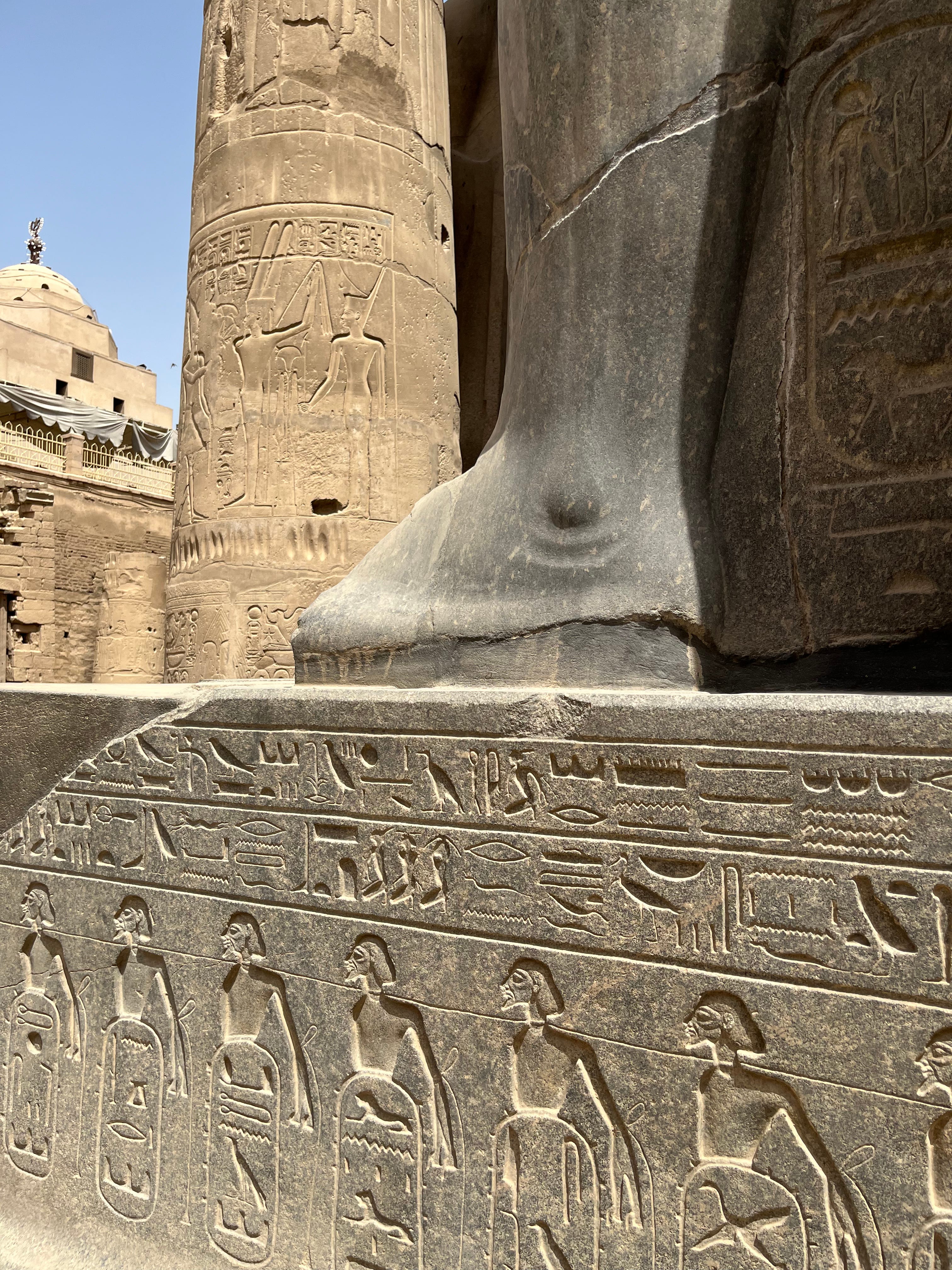
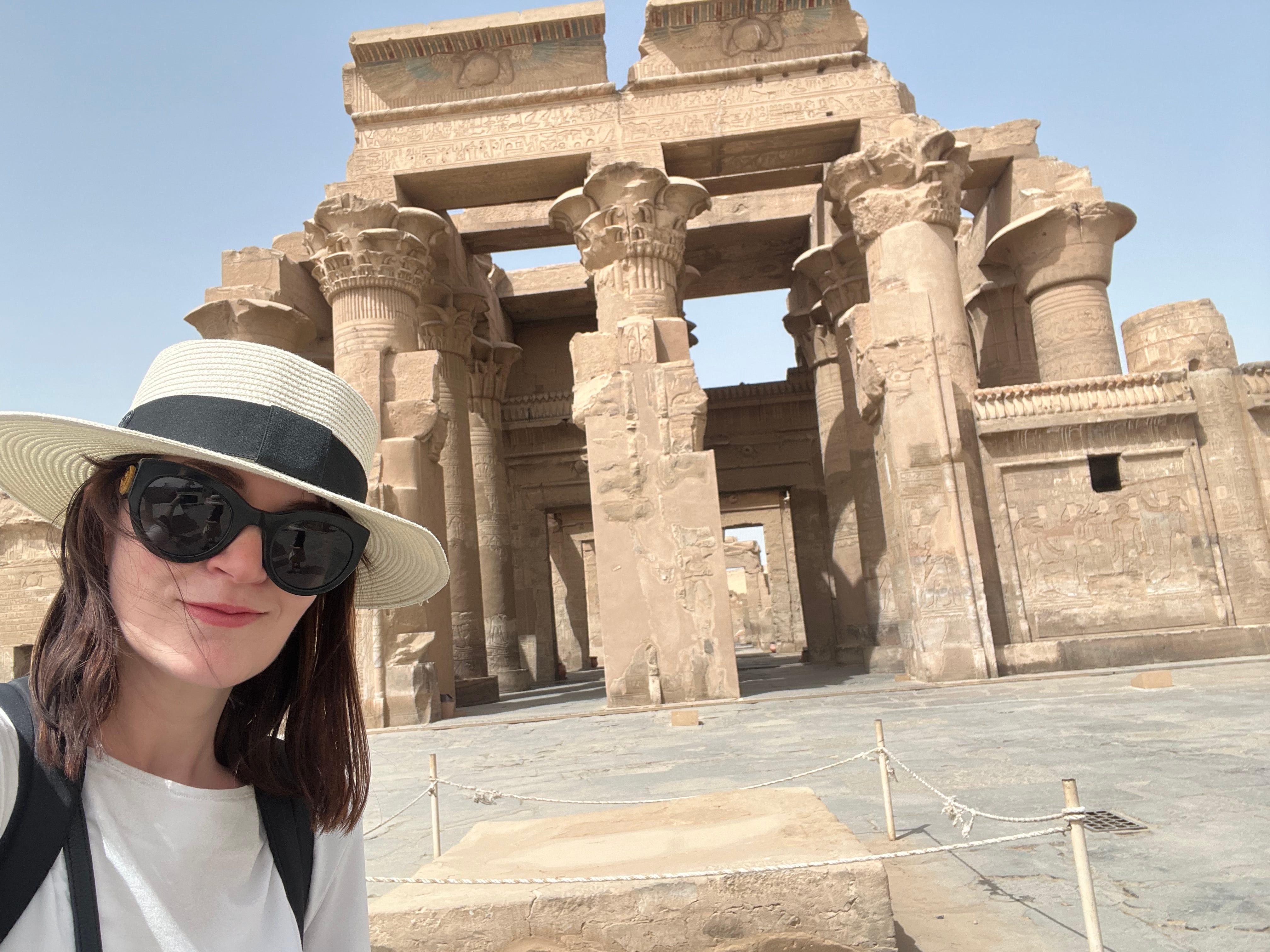
Why is seeing the paint on ancient Egyptian temples not necessarily a good thing? What do the ‘slaves’ on the bottom of the statues in Luxor represent? And why is the symmetry in Kom Ombo, a temple dedicated to the Crocodile and Falcon gods, so unusual?
In today’s conversation with Kara Cooney, professor of ancient Egyptian art and architecture at UCLA, we take you through some of the most important and fascinating sites from ancient Egypt. We discuss ancient perspectives as well as the latest archeological finds (including the more sensational news about the ‘void’ and ‘underground pillars’ in and under the Pyramids).
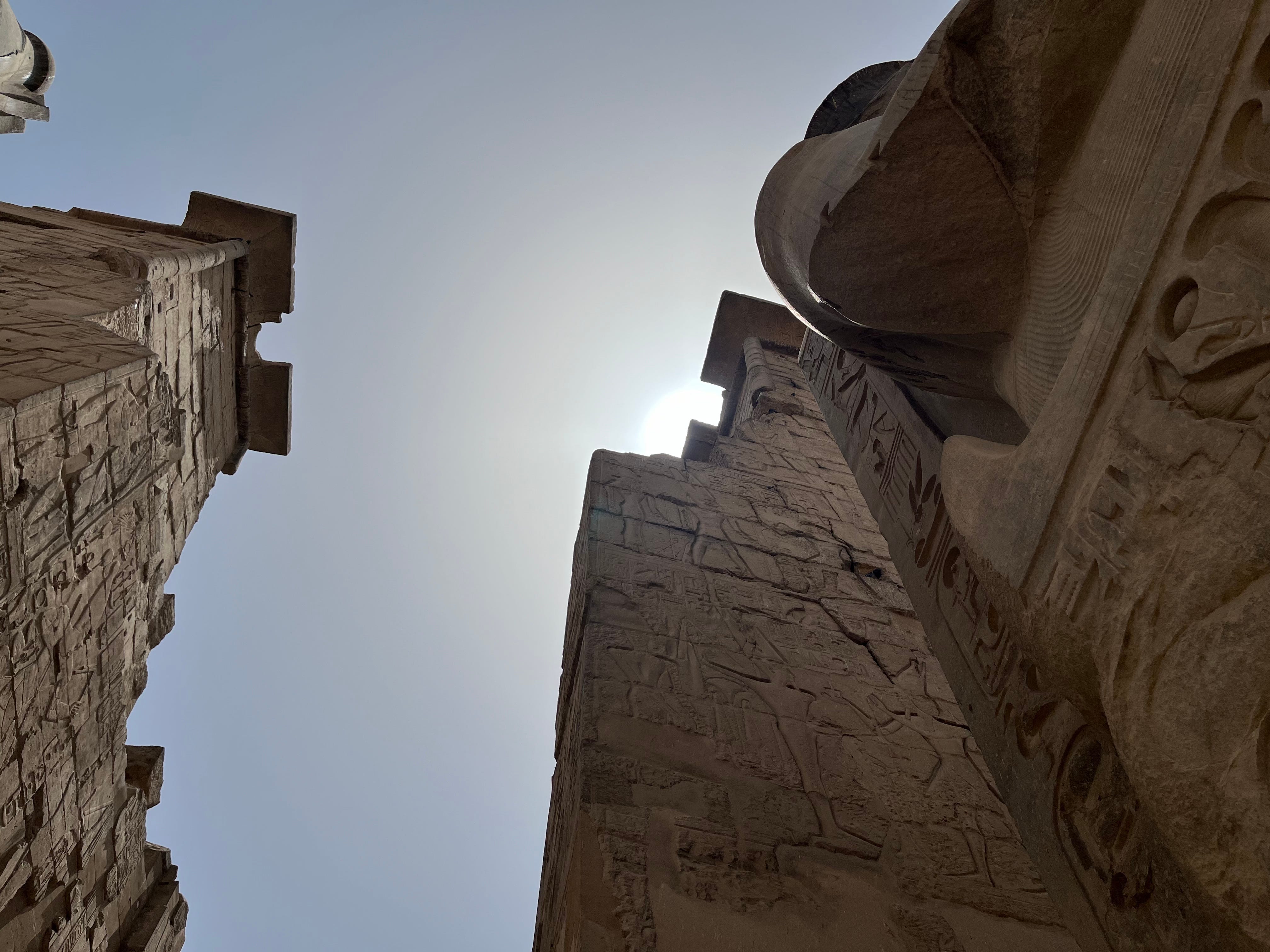
I have put some of my own photos below which, I hope, help illustrate what we spoke about!
Also, for those of you unfamiliar with Kara’s work, check out her many books, including: The Woman Who Would Be King: Hatshepsut’s Rise to Power in Ancient Egypt, When Women Ruled the World: Six Queens of Egypt, and The Good Kings: Absolute Power in Ancient Egypt and the Modern World.
She also discussed her latest books: Recycling for Death: Coffin Reuse in Ancient Egypt and the Theban Royal Caches, Ancient Egyptian Society: Challenging Assumptions, Exploring Approaches, and Coffin Commerce.
Finally, apologies for those watching for the abrupt ending. My internet cut out… but fortunately Kara was a pro and helped finish up the proceedings.
Thank you again to everyone who joined us!
All the best,
Anya Leonard
Founder and director
Classical Wisdom