

Rome's Forgotten Epic
Caesar's Civil War

Dear Classical Wisdom Reader,
It’s where myth, history, and literature collide…
And these days, it’s comparatively unknown.
Lucan’s epic poem, the Pharsalia, was once something of a cornerstone of Latin literature. Yet, unlike the epics we’re more familiar with, it’s based much more directly on historical events; nothing less than the dramatic true story of Julius Caesar’s civil war with Pompey.
The gods are absent, and mythological material is kept to a minimum… except for a witch or two.
It’s kind of like an ancient equivalent of a prestige HBO series.
So, read on below to discover the history, the myths, and the dramatic life of the poet himself in the court of Nero…
And if you’re interested in the worlds of myth, ancient history, philosophy and literature, we have a special offer for you.
For this week only, we’re inviting engaged Classical Wisdom readers like yourself to join at a special rate.
Until midnight this Sunday, Feb. 1, you can join our Classical Wisdom Society for 30% Off.
This unlocks ALL our resources, including exclusive podcasts, e-books, magazines, in-depth articles and more.
So don't miss out!
All the best,
Sean Kelly
Managing Editor
Classical Wisdom
Rome’s Forgotten Epic: Lucan’s Civil War
By Ed Whelan
Roman literature has been enormously influential in the history of Western culture; the Pharsalia, an epic poem by Lucan, was once widely read, and inspired many great Renaissance writers, such as Christopher Marlowe and Dante. This work tells the story of the Roman Civil War between Julius Caesar and his legions on one side, and Pompey and his supporters in the Senate on the other. The epic is one of the masterpieces of the Silver Age of Roman literature, and it is not only a remarkable work of art, but also offers many insights into the history of Rome.
The Pharsalia
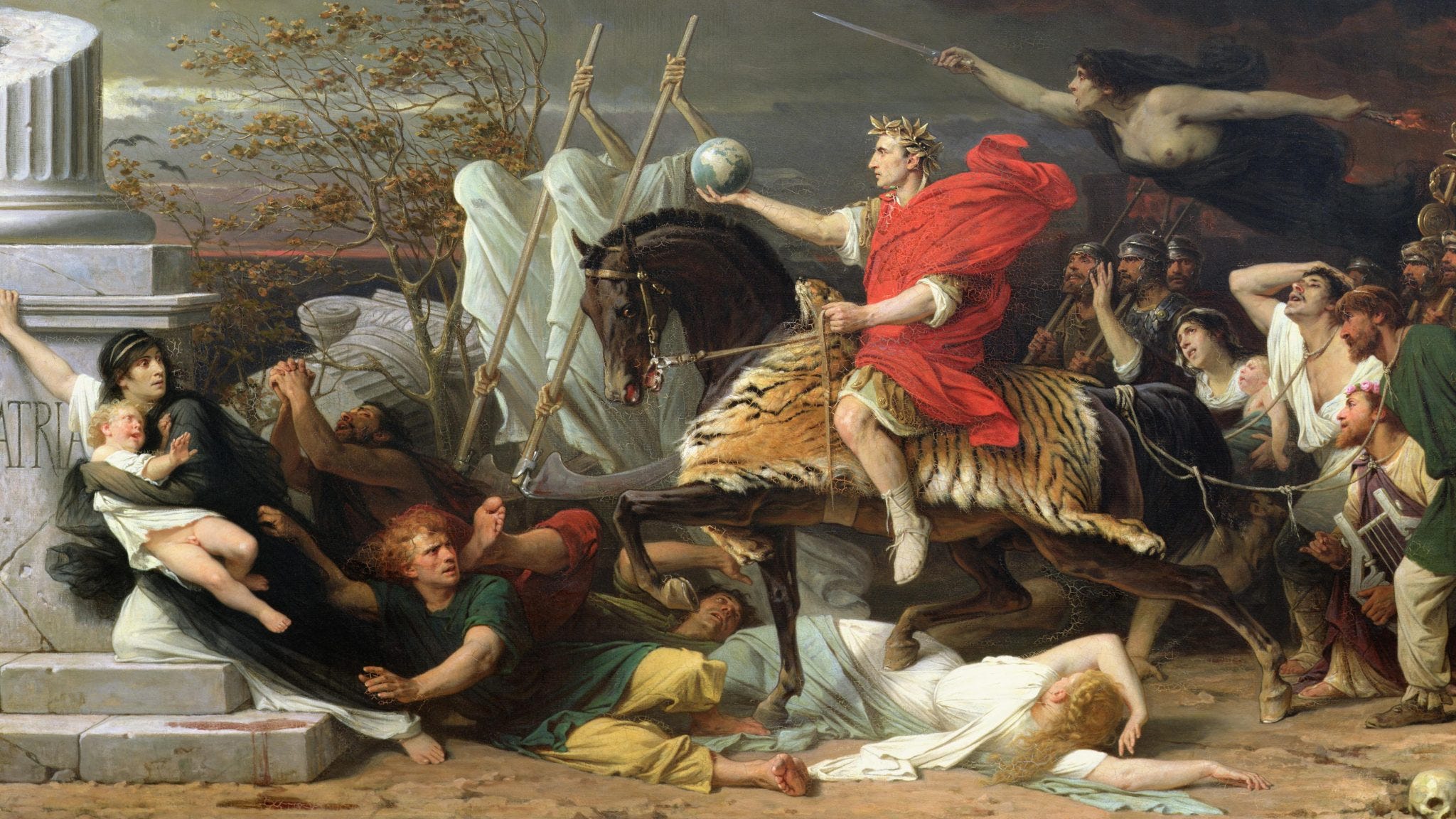
The epic is also known in Latin as the De Bello Civili (Concerning the Civil War). The work narrates in dramatic detail the events of the war between Julius Caesar and Pompey (49-45 BC), which led to the downfall of the Roman Republic. It opens with a dedication to Nero and a denunciation of civil war. The early sections relate how Caesar defied the Senate and marched on Rome, and how the Senate and Pompey were forced to leave Italy. The poem also tells how Caesar campaigned against forces loyal to the Senate in Spain.
Yet he most significant section of the poem concentrates on the events surrounding the battle of Pharsalus, which took place in Thessaly in Greece. This was the crucial battle of the Civil War and it forms the centrepiece of the epic. The poem became known as the Pharsalia by later Roman commentators, naming it after the battle.
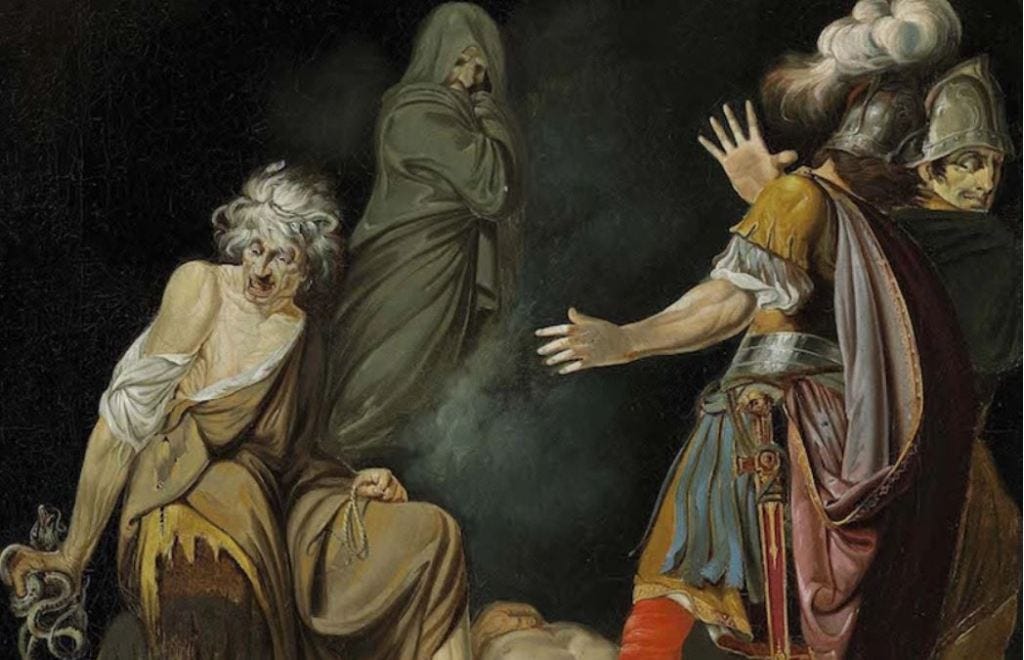
Lucan relates how Caesar was able to defeat Pompey, and how the latter was forced to flee. The last Books are concerned with the wanderings of the defeated general, and finally his assassination in Egypt. The epic concludes with the Julius Caesar in Egypt fighting for his life after he became involved in the Egyptian Civil War, and his infatuation with Cleopatra. Scholars believe that if Lucan had lived, the poet would have continued his Epic until the assassination of Caesar, or even the rise of Augustus. The epic, however, is not an accurate historical document, and there are many sections of the work (such as Pompey consulting with a witch) that are inventions.
The Style of the Epic
The poem shows the influence of Virgil and Ovid, the key figures in the Golden Age of Roman literature. The influence of oratory is evident as well, and there are many sententious phrases in the epic. It is structured in a series of discrete episodes and eschews a linear narrative. Lucan does not respect the epic convention of portraying divine intervention in human affairs. The epic minimizes the role of the gods and even seems to deny that they exist. On the other hand, it focuses a great deal on the supernatural, such as witches and oracles. The work of Lucan is a good example of the type of literature that was favored by Nero and his court, yet the style of the work has made it difficult to read for many modern readers.
The Themes of Pharsalia
The epic is often interpreted as being anti-imperialistic. It is clearly sympathetic to the cause of Pompey and the Senate. Many have argued that the poet shows his sympathies to the Republican system of government. The sentiments in the work could also be interpreted as being critical of Nero. There are, however, some academics who believe that this is not the case. They argue that the occasions when Julius Caesar is portrayed negatively were warnings to Nero. A key theme in the book is the importance of character and how it can influence events. The epic can be seen as being anti-war, and the poet graphically describes the tragedy caused when Romans fought Romans, which is rare in Latin literature.
Don’t Miss Out! Escape the noise and go deeper into the world of myth, history, and philosophy with a Classical Wisdom Membership.
Join before midnight on Sunday February 1st to lock in the special rate of 30% off, forever.
This unlocks ALL our resources, including exclusive podcasts, e-books, magazines, in-depth articles. Plus you’ll be the first to know for exclusive offers!
The Poet and his Epic
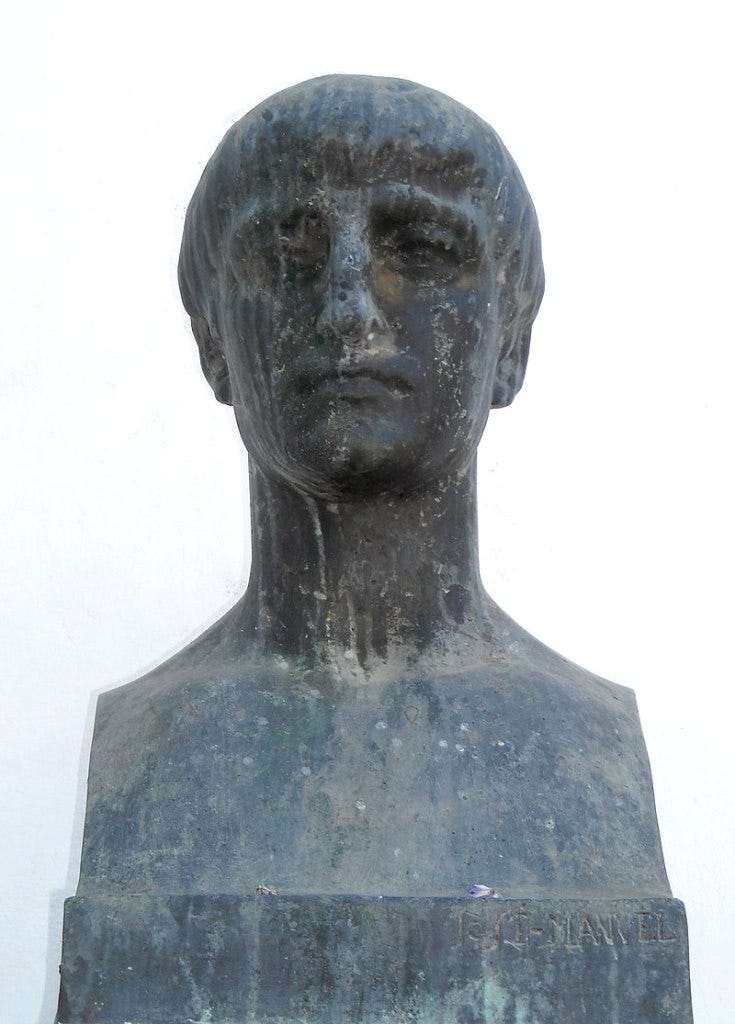
The author of the Pharsalia was Lucan (39 AD – 65 AD) who was born in what is now southern Spain. He was the grandson of Seneca the Elder, and the nephew of the Stoic philosopher and statesman, Seneca the Younger. He became a close friend of Nero, who helped Lucan to secure the post of Quaestor. Lucan managed to write the epic, which consists of ten books, in a remarkably short period of time. In this task, he was assisted by his loyal wife. At some point, Lucan and Nero had a falling out. Some sources suggest that Lucan had dared to criticise Nero. In 65 AD, Lucan became involved in a conspiracy led by Piso. This plot was discovered, and Lucan was implicated. Ancient sources alleged that the poet revealed information about the other conspirators, including his family members, in a bid to save his life. This failed and he was forced to commit suicide by opening his veins by Nero.
Conclusion
Some have seen Lucan as part of a Neronian Renaissance in Roman literature, along with writers such as his relative Seneca the Younger and Petronius. The Pharsalia influenced literature during the Renaissance but subsequently fell out of favor. While it is not considered comparable to the work of Virgil and Ovid, it still an important literary work. In more recent times, scholars have revived the study of the epic poem as it provides insights into the culture of 1st century Rome.